
On July 2nd, 2026, Impact co-hosted a side event with coalition member ECPM during the latter’s 9th World Congress against the Death Penalty, alongside Iran Human Rights, the Abdorrahman Boroumand Center, and KMMK-G, highlighting the crisis of the widespread use of executions and the death penalty in the Islamic Republic of Iran. The side event included interventions from key international stakeholders like Global Affairs Canada’s Emi Furuya, human rights experts like the UN Fact-Finding Mission on Iran’s chair, Sara Hossain and Special Rapporteur on Iran Mai Sato.
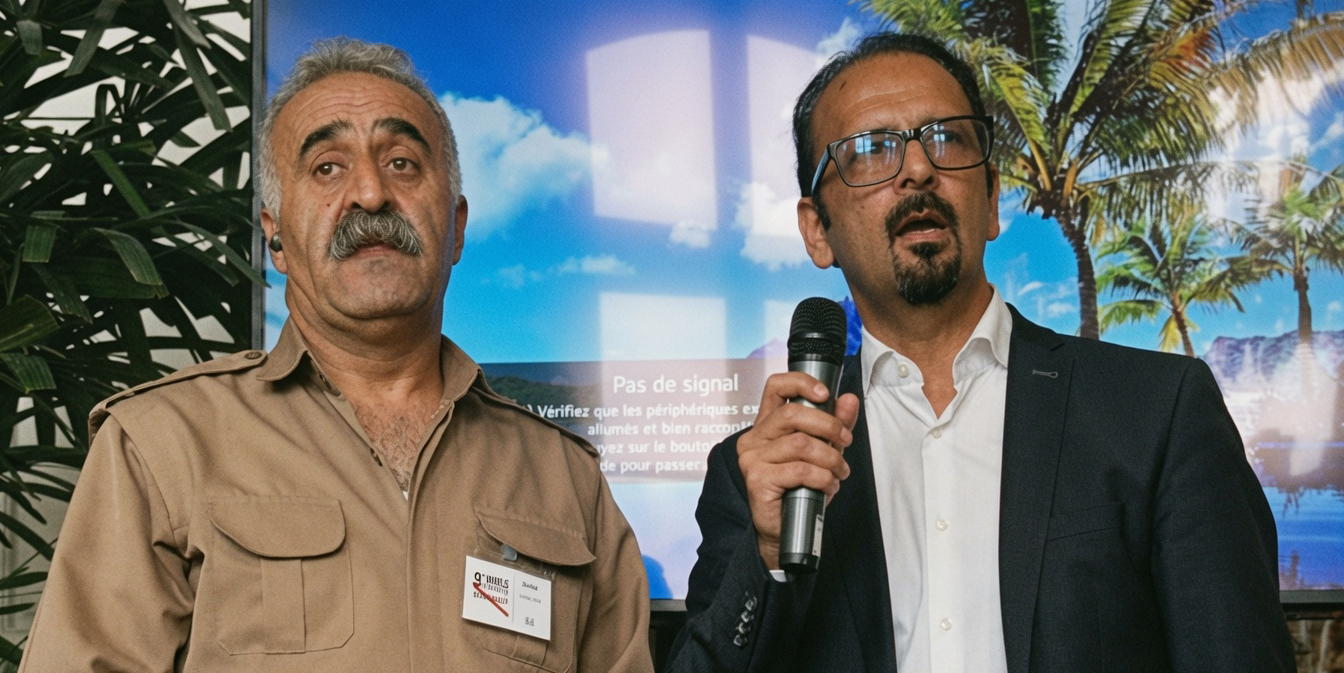
The event also included a special statement from Tayfur Salimi Babamiri, a Kurdish protestor during the Woman Life Freedom protests who survived torture and a death sentence, who escaped Iran in 2025, when he was temporarily released from Urmia Prison, after posting bail of 3 billion Tomans pending trial:
“I have been tortured; my arms have been broken; I have damage to my teeth, my ear, my side. And there are thousands of others who are in a similar situation. Please, representatives of the governments, human rights NGOs, human rights defenders — please be their voice, and please do something to help them.
Every day somebody is being executed. Children are losing their parents. I request you, I beg you — please, please stop appeasing the Islamic Republic. This is an incompetent and corrupt regime that doesn’t respect any human rights. Please help us.”
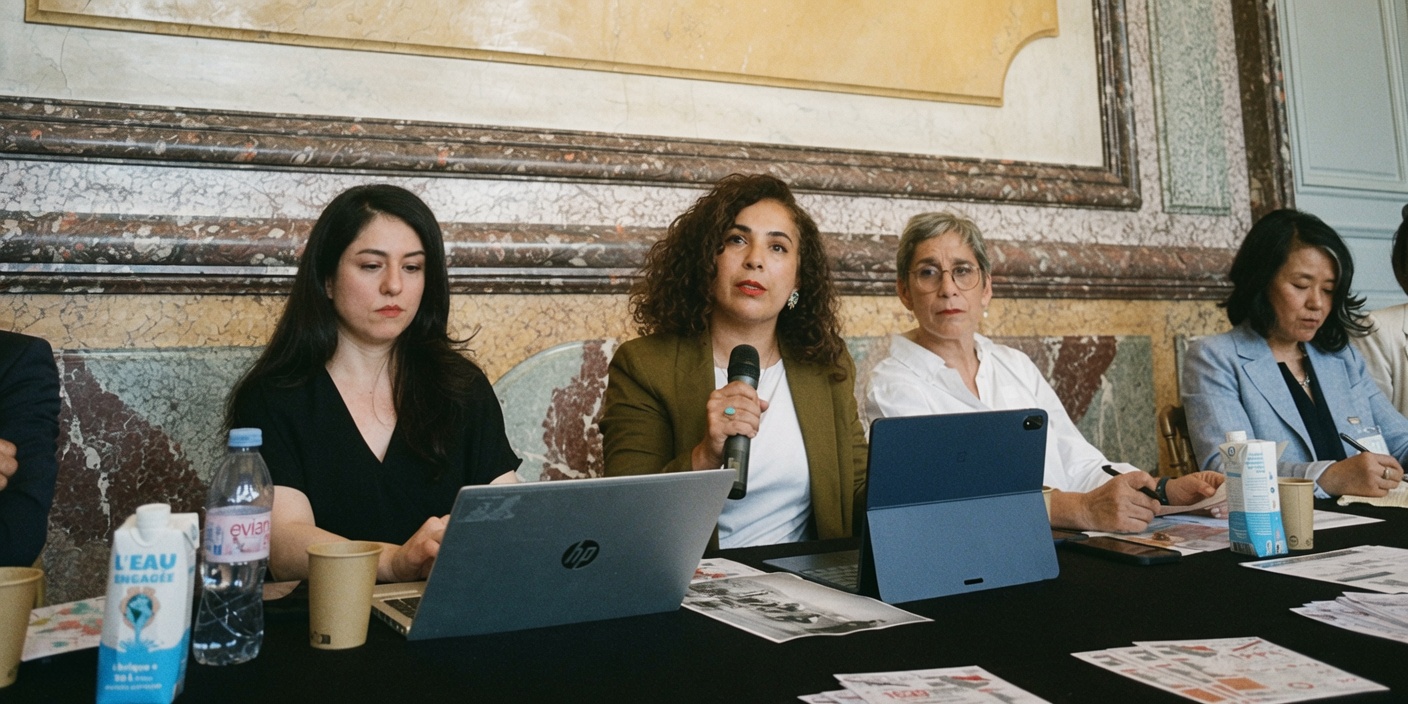
The side event included several interventions from coalition members, including Balochistan Human Rights Group’s Monireh Shirani, who spoke of the plight of Baluch people and their disproportionate representation amongst those executed:
I stand before you today to shine a light on a corner of the world where the gallows are used not as a tool of criminal justice, but as a deliberate mechanism of asymmetric state terror and ethnic repression. I speak of the Baloch people in Iran.
[…] The Baloch minority constitutes a mere 2% of Iran’s total population, yet they routinely account for a staggering 20% of all state-sanctioned executions. This is not an anomaly; it is a systematic, calculated campaign of disproportionate targeting.
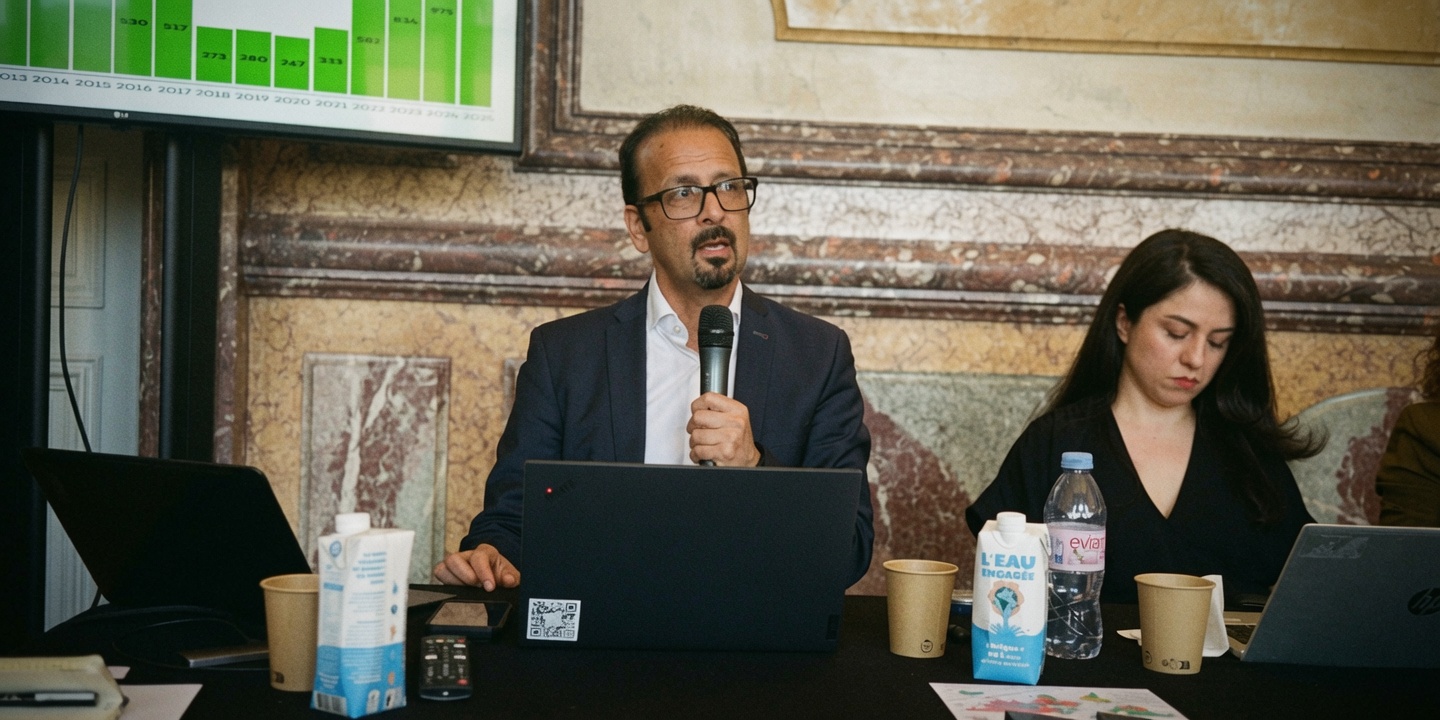
Iran Human Rights’ Mahmood Amiry Moghaddam highlighted the unusual and alarming spike in executions observed in recent years:
“There is a dramatic surge [in executions] since the end of 2022. That was when we had the Woman Life Freedom movement. Since then we have seen a dramatic increase from 582 to 834 the next year, 975 the year after, and last year we had the highest number recorded since the end of the ’80s: at least 1,629.
[…] We call these “executions,” but you know we don’t have due process in Iran. Access to a lawyer is not given, and some of those executed — about half of them, those executed for drug offenses or security-related charges — are tried by revolutionary courts behind closed doors.
Roya Boroumand, from the Abdorrahman Boroumand Center, centered her remarks on targeted use of executions under presumption of espionnage:
“Today, the combination of the new laws, an opaque and politicized judiciary, and systemic due process violations have turned [executions for] espionage into a deadly weapon in the service of the state’s narrative.
[…] Ultimately, we as civil society are doing our best to document violations and support international human rights mechanisms. But without serious political will in democratic countries, our efforts will not succeed in stopping the Islamic Republic’s killing machine.”
Global Affairs Canada’s Emi Furuya also featured on the panel, highlighting the important role of civil society in this context, and reaffirming Canadian solidarity towards Iranians:
“Many – including Impact Iran – have demonstrated that executions are often timed and deployed strategically to quell legitimate and peaceful protests. Canada stands firmly with the Iranian people in their long and courageous struggle against the regime’s oppressive rule. The future of Iran must be determined by its people, free from violence, repression, and fear.”
The event also included a presentation from Mathilde Renaud and Julia Bourbon Fernandez, of the recently released joint paper from Impact Iran, ECPM and TRIAL International on understanding the Death Penalty as a Crime Against Humanity in the context of Iran today.